
What Makes a Great Container Home?
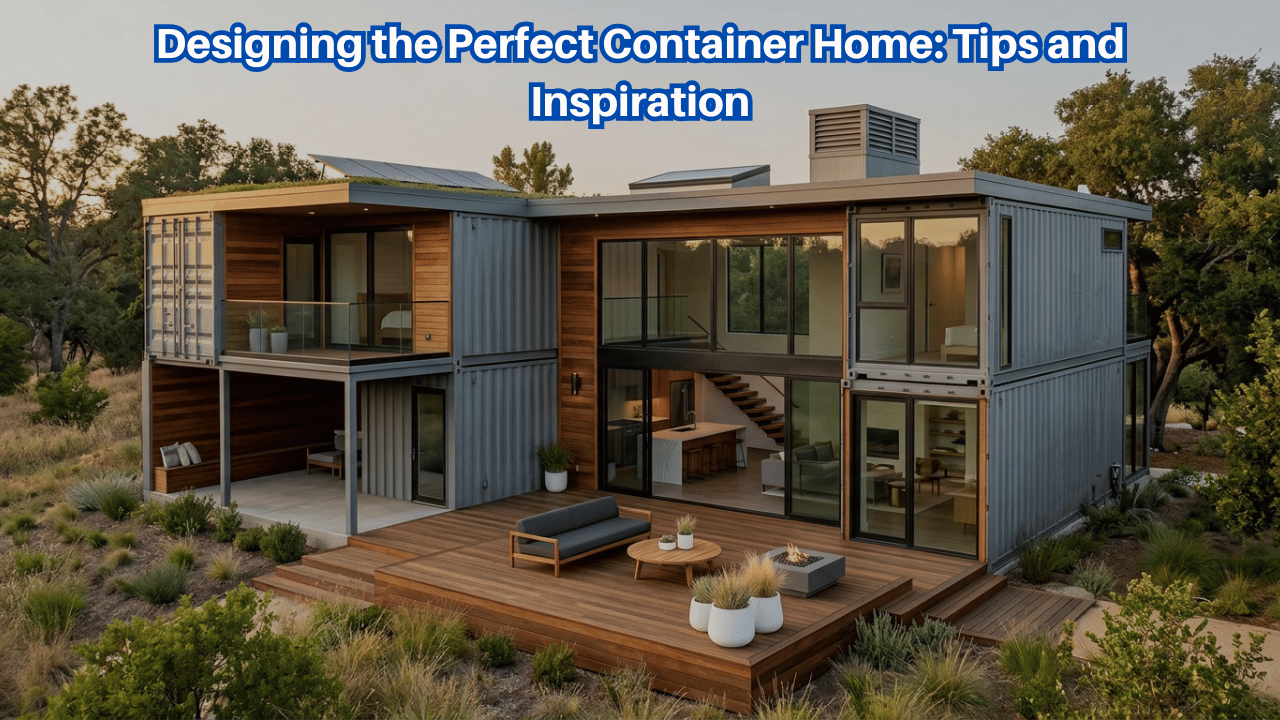
A container home is a living space built from one or more shipping containers, transformed into a functional, comfortable house. In simple terms, it takes a tough steel box and turns it into a home that can feel modern, warm, and highly practical. The appeal is easy to understand: container homes can be faster to build, often more budget-friendly than traditional homes, and highly adaptable to different lifestyles.
In practice, the best designs are not just about making a container look stylish. They are about solving real living problems: how to bring in enough light, how to keep the space cool in summer and warm in winter, and how to make a narrow structure feel open rather than boxed in. A common mistake is focusing only on the exterior look and forgetting the day-to-day experience inside.
A well-planned home starts with the basics. Think about how many people will live there, whether the layout needs a separate office, and how much privacy you want between sleeping and social areas. For example, a couple working from home may prefer an open-plan layout with a compact office nook, while a family may need multiple containers joined together to create separate zones.
Design Goals That Matter Most
When designing your home, prioritize natural light, airflow, storage, and insulation. These four elements can make the difference between a space that feels cramped and one that feels calm and livable. Large windows, sliding glass doors, and skylights can dramatically improve the atmosphere, while built-in storage helps keep the floor plan uncluttered.
Practical Tips for a Better Layout and Build
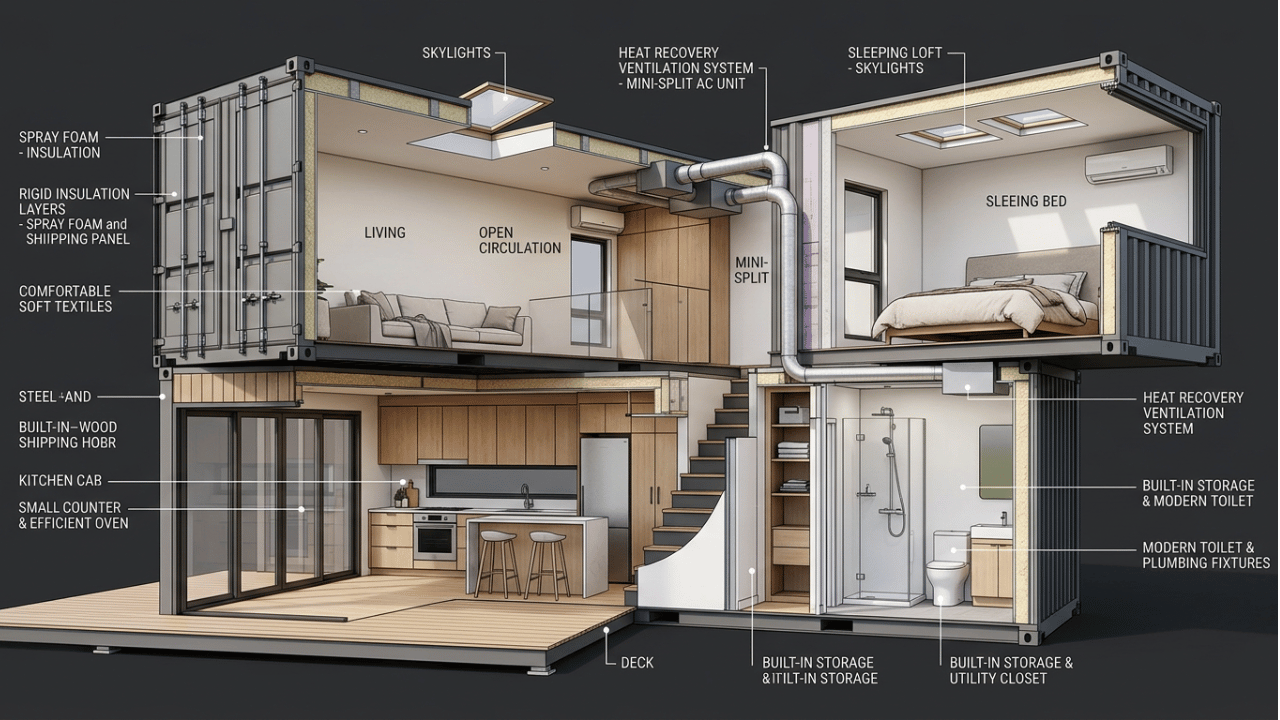
The most successful container homes are planned around comfort, not just construction. Before you finalize any design, use a digital planning tool such as SketchUp or similar 3D modeling software to test room placement, furniture scale, and traffic flow. This helps you catch problems early, before they become expensive to fix.
Make the Space Feel Bigger
Use light colors, reflective finishes, and furniture with slim profiles. In smaller homes, every inch matters. A fold-down table, under-bed storage, or a bench with hidden compartments can create the feeling of more space without adding square footage. If you want an open, airy look, connect the kitchen and living area so the home feels less segmented.
Don’t Ignore Climate Control
A common mistake is assuming steel walls alone are enough. They are not. Proper insulation, ventilation, and moisture control are essential. Without them, the home may overheat, sweat, or become uncomfortable in colder weather. Think of insulation as the foundation of comfort; it is as important as the floor plan itself.
Build for Daily Life
A beautiful home still has to work in real life. Place the kitchen near plumbing lines, keep bathrooms compact but efficient, and make sure doors and hallways allow easy movement. If the home is in a scenic location, frame views with windows instead of covering walls with unnecessary décor.
Inspiration, Style, and Final Touches
The best container home design often blends industrial structure with soft, livable details. You can keep the raw steel look for a modern feel, or warm it up with wood paneling, natural textures, and plants. This contrast is what gives many container homes their charm.
Design Ideas That Work Well
A single-container studio can feel stylish with a loft bed, a compact kitchenette, and a wall of windows. A multi-container family home may work better with a central open living area and bedrooms placed at opposite ends for privacy. Outdoor decks, pergolas, and covered patios also extend the living space and make the home feel much larger.
Good design is not about copying a trend; it is about matching the home to the way you actually live. In practice, the best container home feels simple, intentional, and comfortable from the moment you walk in.
FAQ
Are container homes comfortable year-round?
Yes, if they are properly insulated, ventilated, and designed for the local climate. Comfort depends more on planning than on the container itself.
What is the biggest design mistake to avoid?
The biggest mistake is treating the project like a metal box conversion instead of a real home. Good layout, light, airflow, and storage should come first.