When navigating the world of international shipping, you’ll frequently encounter the terms TEU (Twenty-foot Equivalent Unit) and FEU (Forty-foot Equivalent Unit). Understanding these container units is fundamental for importers, exporters, and logistics professionals aiming to optimize costs and ensure efficient cargo movement.
What Are TEU and FEU? Simple Definitions and Real-World Comparisons
At its core, TEU stands for “Twenty-foot Equivalent Unit,” and FEU means “Forty-foot Equivalent Unit.” These are standardized measurements used to describe the capacity of cargo containers and vessels.
- TEU: Represents a 20-foot long container—about the size of a standard garage.
- FEU: Equals a 40-foot container, which is twice the length of a TEU but has slightly less than double the volume due to structural differences.
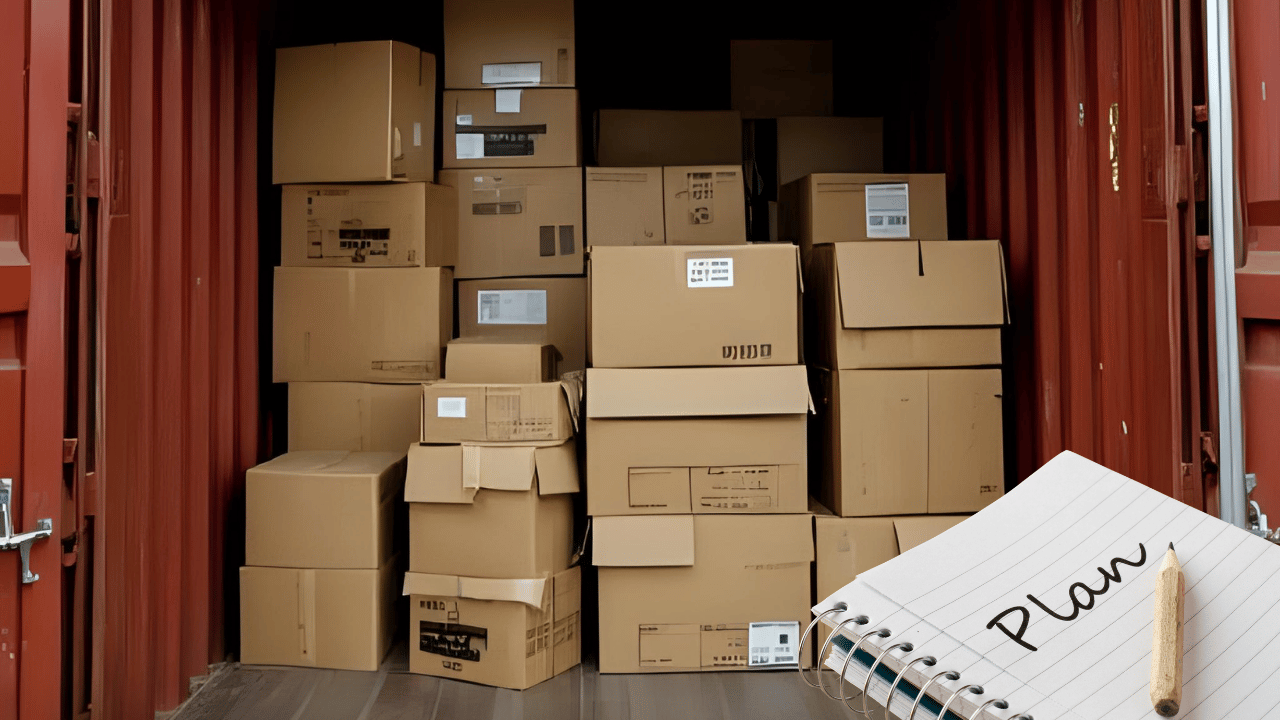
Imagine packing books into boxes for moving. If a small box holds 20 books (TEU), a larger box (FEU) typically fits 40 books—but in containers, the FEU can hold less than exactly twice due to internal dimensions. This slight difference is crucial in shipping calculations.
Why TEU and FEU Matter: Practical Usage and Real-Life Scenarios
In practice, TEU and FEU are more than shipping jargon—they’re vital for:
- Calculating shipping costs: Freight rates are often quoted per TEU or FEU.
- Capacity planning: Shipping lines and ports use TEU as a benchmark to measure throughput and efficiency.
- Comparing shipping options: Knowing the difference helps you choose the most cost-effective solution.
A Common Mistake:
Many assume that two TEUs always equal one FEU, but due to container specifications, a 40-foot container (FEU) doesn’t always hold exactly twice as much cargo as two 20-foot containers (TEUs). For instance, if you’re shipping heavy machinery, weight limits might make a FEU more practical even if it’s not filled to total volume.
Consider an exporter using a freight rate calculator tool—inputting the wrong container size can lead to overpaying for unused space or underestimating shipping needs, resulting in last-minute logistical headaches.
Key Points to Remember
- TEU: Standard unit, 20-foot container.
- FEU: Double-length, 40-foot container, not always double the capacity.
- Freight calculations, port capacity, and logistics analytics often use these terms.
How to Choose Between TEU and FEU: Actionable Tips for Shippers
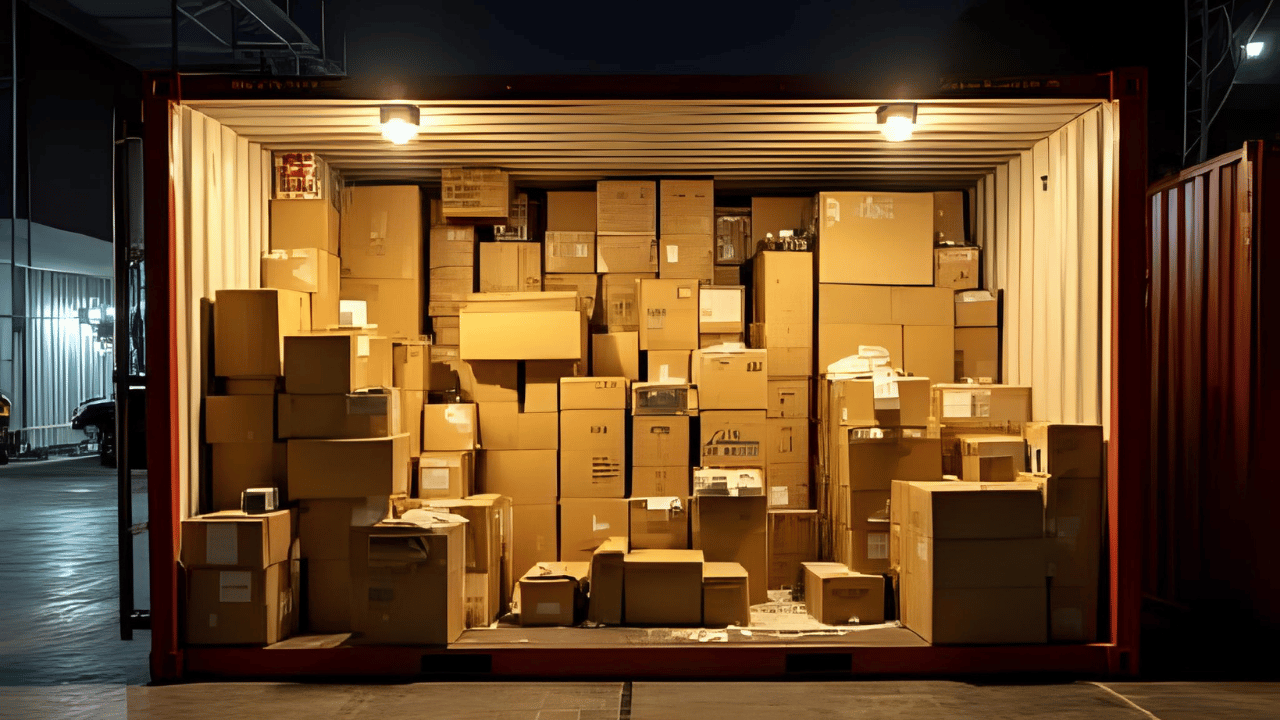
Making the right choice between TEU and FEU can improve efficiency and reduce costs. Here’s how to decide:
- Assess your cargo’s volume and weight:
Bulky but lightweight goods often fit better in FEUs, while dense, heavy items might be optimal in TEUs due to weight restrictions. - Compare freight rates:
Sometimes, one FEU costs less than two TEUs, making it more economical for larger shipments. - Consider handling ease:
FEUs are easier to load and unload in some ports, offering streamlined logistics. - Understand your logistics chain:
Some routes, especially to smaller ports, may have restrictions favoring TEUs.
FAQ of TEU and FEU Cargo Containers
- What is the main difference between a TEU and a FEU in practical shipping?
A TEU is based on a 20-foot container, while a FEU is a 40-foot container. In practice, FEUs offer more space but not always exactly double the capacity of TEUs. Choosing between them depends on your cargo’s size, type, and shipping route. - How do TEU and FEU affect shipping costs?
Shipping costs are often calculated per TEU or FEU. While one FEU is usually cheaper than two TEUs, the best choice depends on your cargo and available routes. Using the right unit helps avoid overpaying or inefficiently using space.