What Are Wind and Watertight (WWT) Containers?
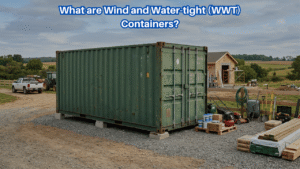
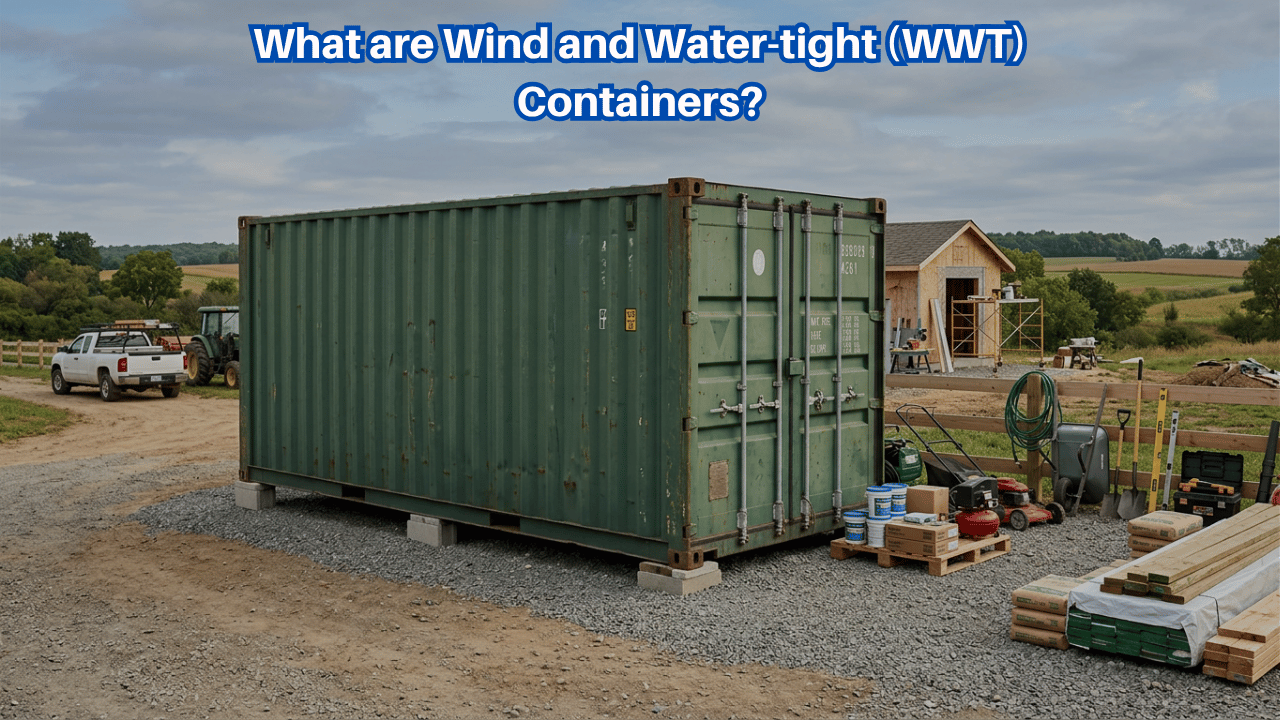
Wind and watertight (WWT) containers are shipping containers that protect their contents from wind, rain, and normal outdoor weather conditions. In simple terms, if the doors close properly, the roof does not leak, and the container keeps water out, it can be considered WWT.
These containers are usually retired from active international shipping but still have plenty of life left for storage. Think of them like a used work truck: it may have dents, scratches, and faded paint, but it still does the job reliably. In practice, WWT containers are commonly used on farms, construction sites, retail lots, workshops, and residential properties for secure storage.
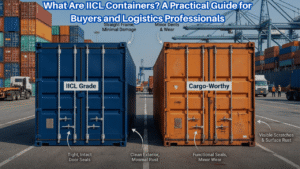
A common mistake is assuming “used” means “damaged beyond use.” That is not true. Many WWT units are structurally solid and suitable for storing tools, equipment, inventory, furniture, seasonal items, or building materials. However, they are not always certified for cargo transport anymore, which is why understanding their condition matters before buying or renting.
You may also hear people compare them with weatherproof shipping containers, but the key point is the same: the container should keep out rain and wind under normal conditions.
How to Inspect and Choose a WWT Container
Before choosing a wind and watertight container, focus on function over appearance. Surface rust, dents, and old paint are normal. What matters most is whether the container keeps your items dry and secure.
Key Areas to Check Before Buying
When inspecting a WWT container, look carefully at the roof, doors, floor, and seals. The roof is especially important because small holes or deep dents can allow water to collect and eventually leak inside. Doors should open and close without excessive force, and the rubber gaskets should create a tight seal when locked.
Use a flashlight inside the container during daylight. If you see light coming through the roof, walls, or door edges, water may find the same path during heavy rain. This simple test is one of the easiest tools for spotting potential leaks.
Here is a practical checklist to follow:
- Check the roof for holes, soft spots, or standing-water dents.
- Inspect door seals for cracks, gaps, or missing rubber.
- Look at the floor for rot, major damage, or strong chemical odors.
- Test the locking bars to make sure they move properly.
- Step inside and look for daylight entering from any area.
Practical Uses and Smart Placement Tips
WWT containers work well for jobsite equipment, landscaping tools, business inventory, household overflow, and temporary storage during renovations. For example, a contractor may use one to store power tools and materials on-site, while a homeowner may use one during a garage remodel.
Placement is just as important as condition. Set the container on level ground, concrete blocks, railroad ties, or a gravel pad. This helps prevent water from pooling underneath and improves airflow. If the container sits directly on soft soil, it may shift over time, making the doors harder to open.
Ventilation is another detail people often overlook. While WWT containers keep water out, temperature changes can still cause condensation inside. If you are storing paper goods, fabrics, electronics, or furniture, consider vents, moisture absorbers, or a small dehumidifier. These simple additions can make storage containers much more reliable for long-term use.
FAQ About Wind and Watertight (WWT) Containers
Are WWT containers waterproof?
WWT containers are designed to keep out wind and rain under normal conditions, but they are better described as wind and watertight rather than fully waterproof. They should resist leaks from weather exposure, but they are not meant to be submerged or exposed to extreme flooding.
Are WWT containers good for long-term storage?
Yes, they can be excellent for long-term storage if they are inspected properly and placed on a stable, well-drained surface. For sensitive items, add ventilation or moisture control to reduce condensation and protect your belongings over time.